Marijuana

Showing posts with label medical. Show all posts

Wednesday, March 13, 2013

Medical Marijuana comes to Maryland - 10 years late

 
It's the nice governor is dropping his opposition to the medical marijuana law now being considered by the legislature. It would have been an important first step if this were 2003 ("O'Malley administration backs medical marijuana bill," March 8).
 
However, it's 2013, and Maryland is once again behind the curve. The front lines in the battle between big government and individual rights are being waged in Colorado and Washington state, where state governments have the courage to listen to a majority of the electorate rather than to the big pharmaceutical companies and their million-dollar bribes. But perhaps I'm being too cynical.
 
At least Maryland is finally going to join the 18 states and the District of Columbia that have at least enacted some sort of reform. And anyone doubting the efficacy of medical marijuana can go look up the double blind, placebo-controlled study just published in this month's The Journal of Pain, conducted at the prestigious University of California at Davis.
 
The researchers studied vaporized marijuana of varying THC content — the active ingredient in cannabis — and found reductions in pain comparable to the opiates for all varieties of marijuana tested.

So when you start getting the letters of condemnation from Drug Enforcement Administration agents, members of the police/prison industrial complex and, of course, the random "experts" from the government (who are really just paid hacks for Big Pharma), remember this latest study that proves their objections to be just as dishonest as the "campaign contributions" they've been using to keep politicians doing their bidding all these years.

Minnesota medical marijuana push to wait till 2014


ST. PAUL, Minn. (AP) — Minnesota won't have a showdown over medical marijuana this year.
Heather Azzi of Minnesotans for Compassionate Care, a pro-marijuana policy group, said Wednesday that bills to permit marijuana for medical reasons will be introduced in the next week or two. But Azzi, the group's political director, said the legislation won't move through Legislature this year.
"We just had a lot of background work to do before we got started," she said.
Supporters hope to latch onto efforts to relax marijuana laws in other states. Voters in Washington state and Colorado approved ballot measures last fall making it legal to possess small amounts of marijuana. It was a step beyond laws in 18 states that give people with certain conditions clearance to use marijuana after getting a physician's approval.
Medical marijuana proposals are circulating in at least a dozen states. Last week, Maryland's health secretary expressed support for legislation there, arguing the federal government has not brought charges against any state employees in other states who may have been involved with distributing medical marijuana.
Minnesota lawmakers approved a medical marijuana bill in 2009, but it ran into a veto by then-Republican Gov. Tim Pawlenty. Current Democratic Gov. Mark Dayton told The Associated Press in December that he wasn't interested in decriminalizing marijuana for medical or recreational use. "I don't think we need another drug operating in our society," he said then.
There are no indications Minnesota's law enforcement community is willing to budge from its opposition. Dennis Flaherty, executive director of the Minnesota Police and Peace Officers Association, said supporters have yet to seek his group's input on the new proposal but he said any plan similar to the 2009 bill would be a nonstarter.
"It would be a regulatory and enforcement nightmare," Flaherty said.
Azzi said the new bill will include added precautions, including a provision for safety centers to check for marijuana impurities.
"There has to be a way for us to mitigate their concerns," she said. "We will be meeting with them between now and January to do just that."


Read more: http://www.sfgate.com/news/article/Minn-medical-marijuana-push-to-wait-until-2014-4351239.php#ixzz2NTRbW11N

Medical Cannabis and It's Impact on Human Health

In this myth shattering, information packed documentary, learn from physicians and leading researchers about medicinal cannabis and its demonstrated effects on human health.

This game-changing movie presents the most comprehensive synopsis to date of the real science surrounding the world's most controversial plant.

Topics include: * What the consensus is from over 1500 scientific and medical trials * What conditions have been proven to benefit from medical marijuana * Its historical use as medicine dating back over 5300 years * Methods of delivery and their different advantages * Government sponsored studies intended to show Marijuana having negative effects that yielded the exact opposite results * Common myths about negative effects of Marijuana and what the research really says about these topics


Wednesday, February 29, 2012

History of Medical cannabis


History of Medical Cannabis
Cannabis was a part of the American pharmacopoeia until 1942 and is currently available by prescription in the Netherlands, Canada, Spain, and Italy in its whole plant form.
In 1937, the U.S. passed the first federal law against cannabis, despite the objections of the American Medical Association (AMA). Dr. William C. Woodward, testifying on behalf of the AMA, told Congress that, "The American Medical Association knows of no evidence that marijuana is a dangerous drug" and warned that a prohibition "loses sight of the fact that future investigation may show that there are substantial medical uses for Cannabis."
Ironically, the U.S. federal government currently grows and provides cannabis for a small number of patients. In 1976 the federal government created the Investigational New Drug (IND) compassionate access research program to allow patients to receive up to nine pounds of cannabis from the government each year. Today, five surviving patients still receive medical cannabis from the federal government, paid for by federal tax dollars.
In 1988, the DEA's Chief Administrative Law Judge, Francis L. Young, ruled after extensive hearings that, "Marijuana, in its natural form, is one of the safest therapeutically active substances known... It would be unreasonable, arbitrary and capricious for the DEA to continue to stand between those sufferers and the benefits of this substance..." Yet the DEA refused to implement this ruling based on a procedural technicality and resists rescheduling to this day.
In 1989, the FDA was flooded with new applications from people with HIV/AIDS. In June 1991, the Public Health Service announced that the program would be suspended because it undermined federal prohibition. Despite this successful medical program and centuries of documented safe use, cannabis is still classified in America as a Schedule I substance “indicating a high potential for abuse and no accepted medical value. Healthcare advocates have tried to resolve this contradiction through legal and administrative channels to no avail.
In 1996, patients and advocates turned to the state level for access, passing voter initiatives in California and Arizona that allowed for legal use of cannabis with a doctor's recommendation. These victories were followed by the passage of similar initiatives in Alaska, Colorado, Maine, Montana, Nevada, Oregon, Washington, and Washington D.C. The legislatures of Hawaii, Maryland, New Mexico Rhode Island, and Vermont have also acted on behalf of their citizens, and every legislative session sees more bills introduced at the state level across the country.
In 1997, The Office of National Drug Control Policy commissioned the Institute of Medicine (IOM) to conduct a comprehensive study of the medical efficacy of cannabis therapeutics. The IOM concluded that cannabis is a safe and effective medicine, patients should have access, and the government should expand avenues for research and drug development. The federal government has completely ignored its findings and refused to act on its recommendations.
Despite the federal barriers to research, hundreds of peer-reviewed studies have been published worldwide since the IOM report. While there is still much to learn, the medical potential is indisputable for a variety of symptoms and conditions.
In 1997, the federal government began a campaign to arrest and prosecute medical cannabis patients and their providers. These raids resulted in two Supreme Court Cases, OCBC and Gonzales v. Raich. In each of these cases the Justices found that the federal law and state law can exist in conflict and that the federal government could continue their campaign against medical cannabis patients if they so choose. However, the Justices questioned "the wisdom' of going after patients and their providers and called on Congress to change the current laws to allow for medical use.
Since the U.S. Supreme Court decision in Gonzales v. Raich, on June 6, 2005, the federal government has intensified its war against patients across the state of California. These raids have resulted in more than two-dozen patients and providers being needlessly prosecuted by the federal government.
Unfortunately, these defendants will not be permitted to mention during trial that their use of cannabis was for legitimate purposes and in accordance with state law. These raids alone are estimated to have cost taxpayers over $10,000,000.
Patients who could and do benefit from cannabis therapeutics face a variety of challenges at both the federal and state levels. Patients have been made to needlessly suffer because they have been denied access or, worse, because they have been imprisoned for using a medicine their doctors recommended.
Medical cannabis patients and current Executive Director Steph Sherer founded Americans for Safe Access (ASA) in 2002 in response to federal raids on patients in California. Ever since then, ASA has been instrumental in shaping the political and legal landscape of medical cannabis. Our successful lobbying, media, and legal campaigns led to positive court precedents, new sentencing standards, more compassionate legislative and administrative polices and procedures, as well as new legislation.
ASA protects the rights of cannabis patients. We are working to change federal policy to meet the immediate needs of patients as well as create long-term strategies for safe access and programs that encourage research.

Saturday, January 21, 2012

Marijuana cannabinoids - oral and transdermal methods


The research indicates that cannabinoids hold the secret to helping heal many of the chronic diseases we are facing. From cancer to diabetes, and from autism to Alzheimer's, medical marijuana helps, and sometimes dramatically so. Cannabinoid medicine holds a great power to alleviate human suffering. There are no words to describe how important this substance is for our race in terms of sanity, compassion and highly rational medicine.


Although medical marijuana is nontoxic, smoking it can be hazardous over the long term because toxic compounds are created in the combustion process. Fortunately there are options for the administration of cannabis but in general all different ways of administrating hemp oil or raw marijuana can be combined with no harmful side effects. Also there are vaporizers that allow for inhalation or what amounts to transdermal treatments into the lungs without burning the marijuana. It's a cool clean smoke of powerful medicine.


Smoking marijuana has limited medical value when used exclusively, especially when it is inhaled through burning. It can reduce blood sugar; it can also help reduce ocular pressure for people with glaucoma. Most people know of marijuana's ability to reduce nausea, and smoking marijuana will often reduce the pain associated with many medical conditions. Smoking "grass" does make a person relax, which in itself can be quite beneficial. Smoking does help reduce the symptoms of many conditions but in general it does not work on a curative level like oral consumption does.


Rick Simpson, the most courageous medical marijuana expert of them all, says, "Smoking is the least effective method of using hemp as a medicine. The power of hemp medicine is magnified many times when the concentrated essential oil of the hemp plant is produced. If you want to see the real medicinal magic in the hemp plant, start ingesting high-grade hemp oil. When one starts ingesting the raw, unburned THC and its associated cannabinoids, medical miracles often occur. When a person smokes a joint, over 90% of the medicinal aspect of the plant material goes up in smoke. It's ironic to see people who have taken chemotherapy smoke hemp to reduce their nausea. They are smoking the very substance that, if taken properly, could cure them."


Cannabis, or marijuana, has been utilized as an ingredient in food and drink for thousands of years. Recipes were often recorded in rhyme, assisting in the memorization process. One such recipe, Bhang (a milk-based drink), dates back to 800 B.C. when it was first concocted in India. The Chinese use of cannabis as a staple food source -- for both humans and animals -- dates back to the 7th century B.C. Gathered for their exceptional nutritional value, cannabis seeds provided an exceptional source of protein and nutrients.


Oral Cannabis


When we ingest marijuana it is absorbed via the intestines and then passes through the liver, which processes the THC into a byproduct called 11-hydroxy-THC, which then travels to the bloodstream and then on to our brains. 11-hydroxy THC is thought to be four to five times more potent than regular THC. This is one reason why edibles are known to be more potent when compared to inhaled cannabis. Edibles are also thought to be strong sedatives and many patients use them for treatment of insomnia.


Marijuana taken in edible form usually takes from 40 minutes to one hour to start working and the peak effect is at two hours. The effects last though from six to eight hours, which is very convenient for those patients who want to sleep or have longer control of pain.


The key to proper use of oral marijuana is to know how much to eat so as to get the best medicinal effect without taking too much. The general rule is, if you buy an edible product from a registered marijuana dispensary, cut the edible product into four pieces and eat one piece to start. Wait at least one hour. If you feel braver start with half! If you feel the effects of the medication, do not eat any more. If you do not feel the effects of the medication, you can eat another piece. There have been patients who unknowingly have ingested too much and have felt "too high," nausea, vomiting, and very groggy, so it's best to start out slow in the beginning. If you do not feel much at a full dose than try a dose and a half or even two doses.


Transdermal Marijuana


Marijuana is lipophilic, which means that it can be dissolved into a fat-soluble substance and readily enter cell membranes. In other words, it can be effective when applied topically on the skin. Marijuana can be used transdermally to relieve pain from many conditions. Medical marijuana can be a balm, lotion, ointment or rubbing alcohol solution. In the old days when people only had plants to use for medication, many patients would soak marijuana leaves in alcohol and apply them as a poultice to an arthritic or swollen joint.


Many substances pass easily through the skin and that is why transdermal medicine has been more evident in contemporary medicine. When it comes to marijuana's anti-inflammatory effect people have long experienced this in action when they have applied marijuana to their skin. Patients with arthritis, muscle and joint pain can testify to the easing of the aches and pains that they feel on a regular basis. Topical marijuana preparations usually provide only local relief and do not have effect on the brain, meaning there is usually no high. This is helpful for those times when marijuana use is inappropriate (like when you have to drive your car) and you still need pain relief! Topical preparations can be purchased or made at home.


Transdermal medicine is ideal for pain management as well as sports and pediatric medicine. In fact it is one of the best ways to administer medicines quickly and effectively. Transdermal methods of delivery are widely used because they allow the absorption of medicine directly through the skin. Gels, emulsion creams, sprays and lip balm stick applicators are easy to use and are effective in getting medicine into the bloodstream quickly.


Traditional methods of administering medicine such as tablets or capsules get watered down and become much less effective due to stomach acids and digestive enzymes before they eventually get into the bloodstream. Bypassing the stomach and liver means a much greater percentage of the active ingredient goes straight into the bloodstream where it's needed.In many cases, transdermal methods are used to help avoid potential side effects such as stomach upset or drowsiness. The full potential for transdermal medicine has not been explored by modern medicine though it has been practiced for thousands of years in hot springs around the world.


Of course the use of magnesium oil for these same effects is also recommended and using topical magnesium and marijuana together in combination is excellent for difficult, stubborn pain. One of the main points for everyone to understand is that when we are thrust back to simpler lives, having access to versatile medicines without cost is important. If the governments would get off their people's backs, marijuana would be legal and virtually free because it's so easily grown.


It is highly regrettable that the deficiency of such an inexpensive,
low-toxicity nutrient like magnesium results in diseases that
cause incalculable suffering and expense throughout the world.
Dr. Steven Johnson


Bottom line, when it comes to pain medications that work on the source of pain and disease, there is nothing like magnesium chloride and nothing like cannabinoid medicine. Together they are the Batman and Robin superhero medical team for the world of pain, heavy emotional upset, and the general treatment of disease. Add sodium bicarbonate (baking soda) and iodine and you already have a full medical team at your fingertips.


Hemp Salves and Oils Offer Potent Solutions


One hospital pathologist cut his finger during an autopsy; bacteria resistant to antibiotics infected the wound and it seemed that an amputation was going to be inevitable. Then someone had the idea to ask Prof. Kabelik, who was known for hisresearch on the medicinal use of cannabis, for help. He applied his hemp salve and two days later the wound was already healing and the amputation was avoided.


Topical Solution Uses


Arthritis ---------------------------- Pain
Dry/chapped skin ---------------- Rashes
Eczema ---------------------------- Rheumatism
Headaches or migraines --------- Swelling
Insect bites ----------------------- Sunburns
Burns ------------------------------ Stiff neck
Muscle soreness ----------------- Tendonitis


A Seattle company is reportedly developing a medical marijuana patch for pets, calling it a "question of quality of life." Jim Alekson's Medical Marijuana Delivery Systems, LLC has patented the patch, called Tetracan, and says it could be used on dogs, cats, and even horses. The patch would be available for human use as well. According to Alekson, "Dogs suffer from the same maladies that humans do," and pets can suffer greatly from pain -- everything from arthritis to cancer. He said that harsh pharmaceutical painkillers have proven harmful, sometimes fatal to animals.


In California an adult may grow, buy and smoke marijuana, all while remaining safely within the confines of state law.Dr. William Courtneytells his patients "Don't smoke the stuff. Eat it!" It won't get you high eaten raw, and juiced with a handful of carrots to cut the bitter taste, its leaves and buds may well offer an important contribution to getting people well.


Courtney juices carrots to cut the harsh taste of the ingredients
largely absent in the psychotropic variety of cannabis.
Karl Vick for The Washington Post


Kristen Peskuski summarized her return to near-full health -- including debilitating lupus, interstitial cystitis, rheumatoid arthritis and 40 medications a day -- after juicing fresh pot leaves over a 30-month period.Courtney's approach promotes marijuana as a good-for-you vegetable like spinach.


Raw bud has a high concentration of cannabinoids and is excellent for consumption. When consumed, raw marijuana generally does not make a person high. The main psychoactive compound in dried, aged cannabis is delta-9 THC, which is absent in the raw, fresh leaf. However, the other compounds, such as the terpenes, may have an effect on mood or energy levels. Raw leaf contains mainly THC acid (not THC) unless you are using a strain that is much higher in CBD. In that case, you will be getting some CBD from the leaf. Leaves are picked from a plant that is about three months of age. Buds should be at the state where the trichomes are fully present but not yet amber (i.e. cloudy).


Some of the benefits of raw cannabis include:


Immune modulating ----------- Anti-diabetic
Anti-inflammatory ------------- Neuroprotective
Antioxidant --------------------- Antispasmodic
Anti-tumor/anti-cancer ------- Anti-anxiety
Bone stimulation -------------- Antibacterial
Pain-relieving


What are the "active" ingredients in raw cannabis if there is no delta-9 THC?


Terpenes ---------------------- Cannabigerol (CBG)
Flavonoids -------------------- Cannabidivarin (CBDV)
Phytocannabinoids ---------- Cannabichromene (CBC)
Cannabinol (CBN) ----------- CBD Acid
Cannabidiol (CBD) ---------- THC Acid
Cannabigerol (CBG)


There are more than 525 molecules found in raw cannabis, some with synergistic effects. According to Dr. Courtney it takes about 4-8 weeks before full clinical benefit is reached. It takes that long to fully saturate the fat tissue with phyto-cannabinoids. Phyto-cannabinoids are fat molecules that are stored in the adipose or fat tissue similar to the fat-soluble vitamins A, D, E and K. It appears thata wheat grass juicer is probably the best method of breaking up the cannabis plant cells. Mix with a minimal amount of organic fruit or vegetable juice -- just enough to cut the bitter taste of the raw cannabis. Choose lower sugar juices to minimize your ingestion of simple sugars. Store leaves in a green bag in the refrigerator; do not rinse until immediately before using. Dr. Courtney recommends soaking leaves in water for five minutes before juicing.


Use organic cannabis that does not have any pesticides applied at any point in its life cycle. Dr. Courtney recommends using ten large fan leaves per day in juice, salsa, pesto, salad, etc. If you have access to fresh bud, he recommends one bud/day.


Cannabinoids and THCA are cleared rapidly from the blood, so frequent consumption of a small amount of juice is ideal. Split the juice into five parts for five divided doses per day.


Special Note:Part two of this essay Rick Simpson on Hemp Oil and Marijuana Tinctures is coming soon.


For all the references, sources and more articles, please visitDr. Mark Sircus blog.


About the author:
About the author:
Mark A. Sircus, Ac., OMD, is director of the International Medical Veritas Association (IMVA) http://www.imva.info/.


Dr. Sircus was trained in acupuncture and oriental medicine at the Institute of Traditional Medicine in Sante Fe, N.M., and at the School of Traditional Medicine of New England in Boston. He served at the Central Public Hospital of Pochutla in Mexico, and was awarded the title of doctor of oriental medicine for his work. He was one of the first nationally certified acupuncturists in the United States. Dr. Sircus's IMVA is dedicated to unifying the various disciplines in medicine with the goal of creating a new dawn in healthcare.


He is particularly concerned about the effect vaccinations have on vulnerable infants and is identifying the common thread of many toxic agents that are dramatically threatening present and future generations of children. His book, The Terror of Pediatric Medicine, is a free e-book offered on his web site. Humane Pediatrics will be an e-book available early in 2011 and then quickly as possible put into print.


Dr. Sircus is a most prolific and courageous writer and one can read through hundreds of pages on his various web sites.


He has recently released a number of e-books including Winning the War Against Cancer, Survival Medicine for the 21st Century, Sodium Bicarbonate, Rich Man’s Poor Man’s Cancer Treatment, New Paradigms in Diabetic Care and Bringing Back the Universal Medicine: IODINE.


Dr. Sircus is a pioneer in the area of natural detoxification and chelation of toxic chemicals and heavy metals. He is also a champion of the medicinal value of minerals and seawater.


Transdermal Magnesium Therapy, his first published work, offers a stunning breakthrough in medicine, an entirely new way to supplement magnesium that naturally increases DHEA levels, brings cellular magnesium levels up quickly, relieves pain, brings down blood pressure and pushes cell physiology in a positive direction. Magnesium chloride delivered transdermally brings a quick release from a broad range of conditions. His second edition of Transdermal Magnesium Therapy will be out shortly. In addition he writes critically about the political and financial crises occurring around us.

Learn more:http://www.naturalnews.com/034425_marijuana_cannabinoids_medicine.html#ixzz1k4vZMBdp

Thursday, January 19, 2012

Medical marijuana strain info guide

Medical marijuana law introduced in Idaho

Medical marijuana law intro'd in Idaho Legislature


Medical marijuana legislation was introduced in the Idaho House today, where Rep. Tom Trail, R-Moscow, introduced HB 370 as a personal bill. He proposed similar legislation last year; it got an informational hearing from the House Health & Welfare Committee, but didn't proceed. HB 370 would permit patients with debilitating medical conditions to be dispensed up to 2 ounces of marijuana every 28 days; they'd have to get it from state-authorized “alternative treatment centers.”

The bill says, “Compassion dictates that a distinction be made between medical and nonmedical uses of marijuana. Hence, the purpose of this chapter is to protect from arrest, prosecution, property forfeiture, and criminal or other penalties those patients who use marijuana to alleviate suffering from debilitating medical conditions, as well as their physicians, primary care givers and those who are authorized to produce marijuana for medical purposes.” Under the measure, only patients who'd registered with the state and received a registration card could legally possess medical marijuana.

An Idaho group currently is gathering signatures for a proposed initiative to legalize medical marijuana; Trail said last year that other states' experience has shown that legislation with strict controls is preferable to a voter initiative.

Wednesday, January 18, 2012


White Shark
Breeder: Greenhouse Seed Co.
Type: Sativa Dominant Hybrid
Sativa 75/ Indica 25
Origin: Super Skunk x Brazilian & South Indian Strains
Flowering : 56 - 70 days


Great White Shark was the first prize winner of the Hightimes Cannabis Cup in 1997. This strain is a powerful, knee-shaking plant that really hits the spot and is rightfully acclaimed. The high is strong and seductive - the perfect combination for a winning variety!

THC NotesTHC:14.0%, CBD:1.7%, CBN:0.6%


The nugs I received in my 1/4 I picked up from the dispensary were super dank. The trichomes were amazingly shiny on this strain. It left me with a ton of kief fallen off of these danky nugs. Loved this strain, worked well for my back pain.

High Times Cannabis Cup winner

The Medical Facts on Marijuana


Sunday, January 15, 2012

Friday, January 13, 2012

L.A. Confidential

LA Confidential 
[DNA Genetics] 


100% Indica 
Origins - California indica x Afghan indica 
Flowering - 46-56 days 
Harvest - Early October 


L.A. Confidential is an Indica dominant hybrid. It was crafted to mimic the authentic OG's in the rap community of the late 80s and early 90s. At that time rap stars were able to get a consistent OG Kush that they made popular over and over again. Groups like Cypress Hill, and Artists like Snoop Dogg and Dr. Dre, were all part of the movement popularizing the hip hop pot culture. L.A. Confidential came on the seen and let people smoke like their favorite stars, as a reliable, potent OG Kush.


This weed is smooth. It's thick smoke forms dense clouds of spicy, hash like smoke. The buds both look and smell like they have a direct Indica geneology. They smell like hash, though almost a little sweet. They're dark green, is covered by dark orangish/brownish hairs. The high isn't a pure body stone, but's it's worthy of it's High Times Victory. It's mix of head and body buzzes and stimulation is almost psychedelic for noobies. It's a really relax high normally, warm but not too sleepy.

Thursday, January 12, 2012

Wednesday, January 11, 2012

Purple Kush 
[Coffeeshop SR-71] 

100% Indica 
Origins - Hindu Kush x Purple Afghani 
Flowering - 50-60 days 
Harvest - Early October


This pure indica medicinal strain comes from California. In that state's medical community she is considered an "elite clone", meaning that she is only available as a cutting. Not to worry if you are a medical merijuana patient in California - this strain can be found at various despensaries throughout the state. Purple Kush is especially popular at the SR-71 dispensary in "Oaksterdam", the section of downtown Oakland that tolerates medical marijuana providers. Patients there praise this Purple Kush's deep body stone as a treatment for pain and depression.

This lady forms a short squat bush with very dense intermodes and huge fan leaves, staying in the 2-3 foot height range indoors. With topping or pinching she will be at least as wide as she is tall. Purple Kush's foliage exhibits a classic indica growth pattern: a sturdy bush with dark green hues and hints of purple toward ripeness.

Purple Kush is versatile, performing well for both indoor and outdoor growers. She does very well in a screen of green (SCROG) setup. Purple Kush buds form tight chunky nuggets with hints of purple in the tips of the calyxes, as well as the soft pine bouquet and a sweet, grapey taste on an earthy foundation. her very frosty veneer of glands will please both the connoisseur of indica potency and the hashish fan. The Purple Kush high is strong, deep stone delivers when it comes to treating chronic pains and inflamations, among other conditions.


TetraLabs Pure Gold Showcase. Weed maps reviews this awesome innovation in the medical marijuana industry.

Monday, January 9, 2012

Jack Herer


Next up one of my favorites and firsts of trying medical marijuana.
Jack Herer


Breeder: Sensi Seeds
Type: Sativa / Indica Hybrid Mostly Sativa
Genetics: Skunk No. 1/Northern Lights No. 5/Haze
Flowering - 60-70 days
Harvest - Mid October


Named for beloved pot author and activist, Sensi's Jack Herer is truly one of the top hybrids ever created at the Cannabis Castle. The goal was to make a 50 percent Haze cross that kept the properties of this top-rated sativa, while shortening the painful 6 month flowering time that a full-blooded Haze demands.


This variety's long-fingered leaves and dense, grape-cluster bud formations appear light green due to the frosty resin coating. The few hairs on the buds turn brick red as the plant matures. The smell is fresh with a signature Haze accent and a pleasin hint of skunkiness.Since the rooted clones can go directly into flowering, the total number of light hours in the life cycle is almost exactly the same as a conventional indica-heavy cross, even though the flowering cycle is longer.


If growing in soil, full ground is recommended over pots, which are usually too small. Dry climates, like Spain and California, are Jack Herer's only reasonble candidates for an outdoor home. Growing Jack indoors is necessary in most parts of the world. Hydroponics will give quick satisfying results, but Jack Herer is best grown as bigger plants.


A longer-flowering cross can be unnerving to grow, but bravery and patience will be rewarded with fresh peppery buds that produce an immediate cerebral, up high. Don't cave to the temptation to harvest too early. When allowed its full time to ripen, Jack Herer is a tasty smoke with mild lung expansion and possibly visually enhancing or silly effects.


Winner, High Times Cannabis Cup 1995.


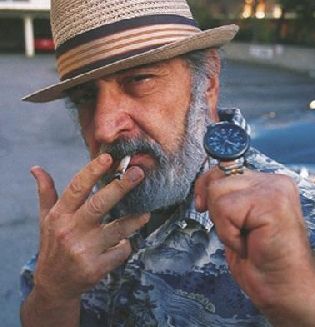
Interesting Facts: Jack Herer (June 18, 1939 – April 15, 2010) was an American cannabis activist and the author of The Emperor Wears No Clothes, a book which has been used in efforts to decriminalize cannabis.


A former Goldwater Republican, Herer was a pro-cannabis (marijuana) and hemp activist. He wrote two books, the aforementioned The Emperor Wears No Clothes and Grass. There has also been a documentary made about his life called, The Emperor of Hemp. He believed that the cannabis plant should be decriminalized because it has been shown to be a renewable source of fuel, food, and medicine that can be grown in virtually any part of the world. He further asserts that the U.S. government deliberately hides the proof of this.


A specific strain of cannabis has been named after Jack Herer in honor of his work. This strain has won several awards, including the 7th High Times Cannabis Cup. Jack Herer was also inducted into the Counterculture Hall of Fame at the 16th Cannabis Cup in recognition of his first book.


Herer ran for United States President twice, in 1988 (1,949 votes) and 1992 (3,875 votes) as the Grassroots Party candidate.